Introduction
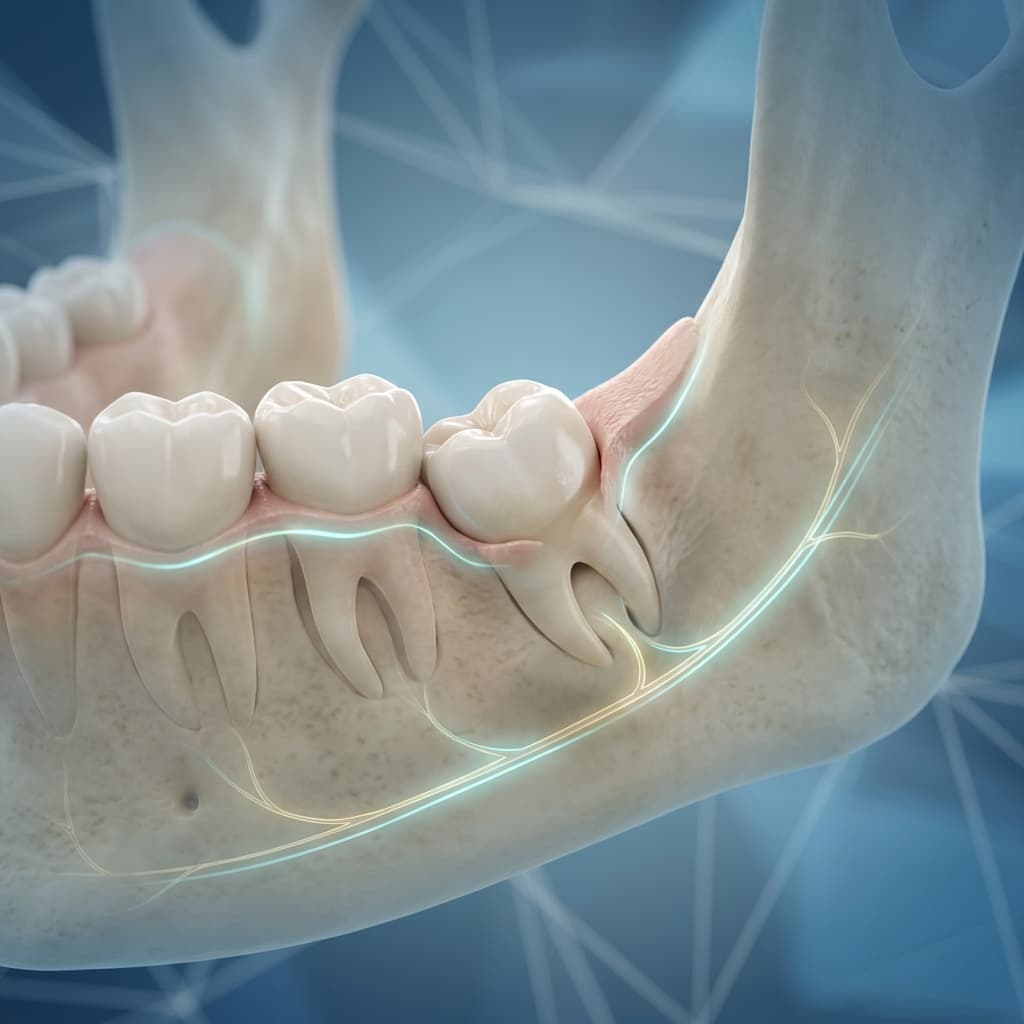
Tooth extraction is a common dental procedure recommended when a tooth is severely damaged, infected, or causing complications that cannot be treated with other dental treatments. While the procedure itself is usually quick and comfortable with modern dental techniques, proper aftercare is essential for a smooth and healthy recovery.
Following the right recovery steps can help reduce discomfort, protect the healing area, and prevent complications such as infection or dry socket.
At Ardent Smiles Dental Clinic in Nerul, Navi Mumbai, tooth extractions are performed using advanced dental techniques that prioritize patient comfort and safety. Under the care of Dr. Vivek Jaiswar, patients receive personalized treatment plans along with detailed aftercare guidance to ensure faster healing and long-term oral health.
Understanding the healing process and following proper aftercare instructions can help patients recover quickly and return to their normal routine.
What Happens After a Tooth Extraction?
Once a tooth is removed, the body begins a natural healing process. A blood clot forms inside the empty socket, which plays an important role in protecting the bone and nerves beneath the gums. This clot acts as a protective layer and helps new tissue grow in the area.
If the blood clot becomes disturbed or dislodged, it may lead to a painful condition known as dry socket, which can delay healing. Proper aftercare helps protect this clot and ensures smooth recovery.
Tooth Extraction Healing Timeline
Healing after tooth extraction happens gradually over several stages.
First 24 Hours: The first day is the most critical phase of healing. Bleeding slows down as the clot forms, mild swelling may appear, and some tenderness or discomfort is normal. Proper rest and avoiding disturbance of the clot are important during this stage.
Days 2-3: Swelling and discomfort usually peak during the second or third day. Patients may notice slight jaw stiffness, minor bruising, and reduced bleeding. Cold compresses can help control swelling during this period.
Days 4-7: During this stage, gum tissue begins to heal, pain significantly decreases, and patients can gradually return to normal activities.
1-2 Weeks: The gums usually heal completely within one to two weeks. However, deeper bone healing may continue for several weeks.
Recommended Care After Tooth Extraction
Following these aftercare steps helps ensure proper healing.
Control Bleeding: Your dentist will place gauze over the extraction site. Bite gently on the gauze for about 30-45 minutes to help stop bleeding.
Rest and Relax: Avoid strenuous activities for at least 24 hours after the procedure.
Apply Cold Compress: Using an ice pack on the cheek near the extraction site can reduce swelling and discomfort.
Eat Soft Foods: Choose soft foods that do not require heavy chewing, such as yogurt, soup, mashed potatoes, smoothies, and scrambled eggs. Avoid chewing near the extraction area.
Maintain Gentle Oral Hygiene: Continue brushing your teeth but avoid the extraction site during the first day. After 24 hours, gentle saltwater rinses may help keep the area clean.
Things to Avoid After Tooth Extraction
Certain habits can interfere with healing and should be avoided.
Avoid Smoking: Smoking can delay healing and increase the risk of infection and dry socket.
Do Not Use Straws: Drinking through a straw creates suction that may dislodge the blood clot.
Avoid Hard or Crunchy Foods: Foods like chips, nuts, or hard bread can irritate the extraction site.
Avoid Vigorous Rinsing: Rinsing or spitting forcefully may disturb the clot and slow the healing process.
Common Symptoms During Recovery
Mild symptoms are normal after a tooth extraction. Patients may experience:
Slight bleeding
Mild swelling
Temporary discomfort
Jaw stiffness
These symptoms usually improve within a few days. However, if symptoms worsen instead of improving, it may indicate a complication.
Signs You Should Contact Your Dentist
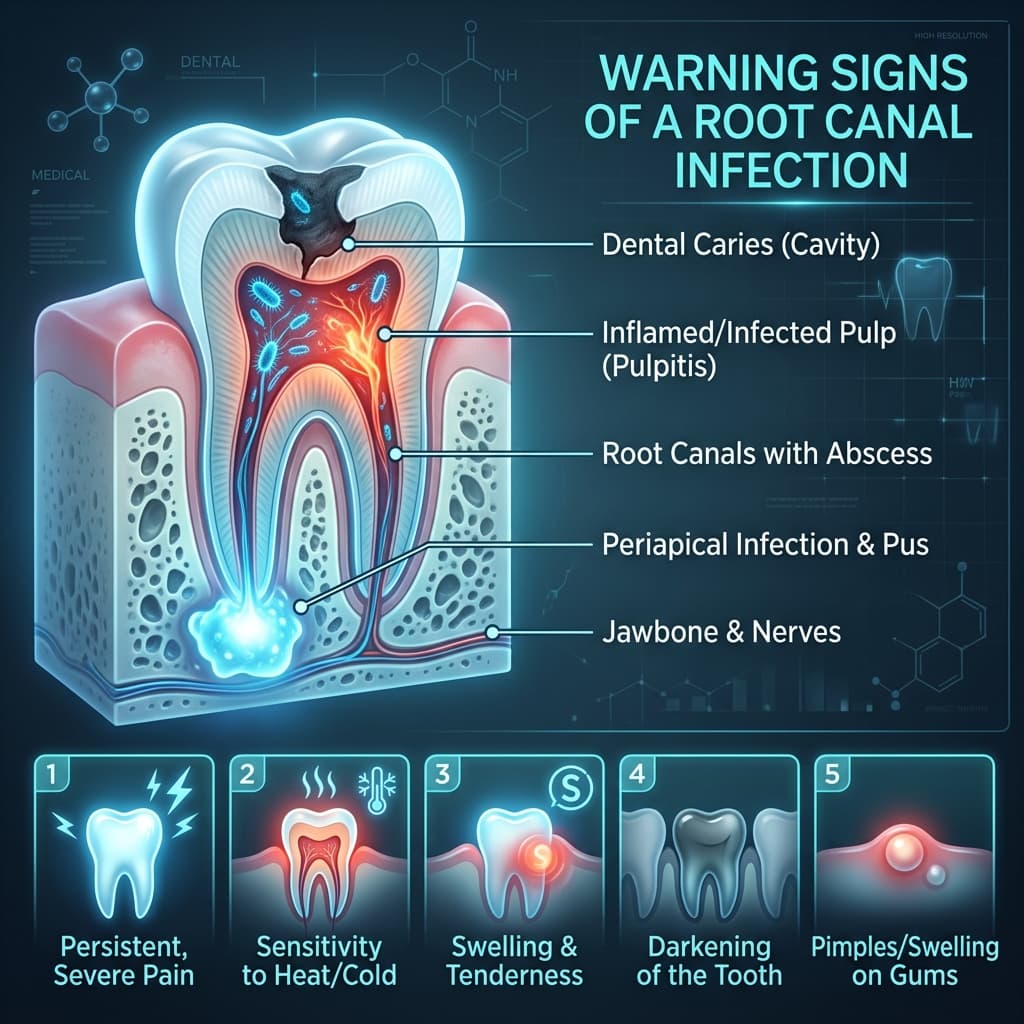
While complications are uncommon, you should contact your dentist if you notice:
Severe pain that worsens after several days
Continuous bleeding
Fever or infection signs
Swelling that does not improve
Difficulty swallowing or breathing
Prompt dental care can prevent further complications.
Tips for Faster Healing After Tooth Extraction
Certain practices can help accelerate recovery.
Stay Hydrated: Drink plenty of water to support the healing process.
Follow Medication Instructions: Take prescribed medications exactly as directed by your dentist.
Maintain Oral Hygiene: Keeping the mouth clean helps prevent infection.
Attend Follow-Up Appointments: Your dentist may schedule a follow-up visit to ensure proper healing.
If you need tooth extraction or professional guidance during recovery, consulting a qualified dentist is important. At Ardent Smiles Dental Clinic in Nerul, Navi Mumbai, patients receive high-quality dental care in a comfortable and modern environment.
The clinic provides a wide range of dental services including:
Tooth extraction
Root canal treatment
Dental implants
Crowns and bridges
Cosmetic dentistry
Pediatric dental care
Led by Dr. Vivek Jaiswar, an experienced Oral & Maxillofacial Surgeon, the clinic focuses on providing safe, precise, and patient-friendly treatments using advanced dental technology. Patients from Nerul, Seawoods, Belapur, Vashi, and nearby areas of Navi Mumbai trust Ardent Smiles for expert dental care.
Frequently Asked Questions
How long does it take to recover from tooth extraction? Most patients recover within 3-7 days, although complete gum healing may take up to two weeks.
Is swelling normal after tooth extraction? Yes, mild swelling is common and usually peaks within the first 24-48 hours.
When can I eat normally again? Soft foods are recommended for the first few days, after which you can gradually return to normal eating habits.
What causes dry socket? Dry socket occurs when the blood clot protecting the extraction site becomes dislodged.
Can I brush my teeth after extraction? Yes, but avoid brushing directly over the extraction site during the first 24 hours.
When should I visit the dentist after extraction? Your dentist may recommend a follow-up visit to check the healing process.
Conclusion
Proper aftercare plays a vital role in ensuring smooth recovery after tooth extraction. By following recommended care instructions and avoiding habits that may disturb the healing area, patients can reduce discomfort and prevent complications.
With modern dental techniques and professional guidance, most patients recover quickly and comfortably after the procedure.
If you experience severe pain, swelling, or unusual symptoms after tooth extraction, consulting a dentist promptly can help ensure proper healing and protect your oral health.