Introduction
Many people feel a sudden sharp pain in their teeth while drinking cold water, eating ice cream, or drinking hot tea. This condition is known as tooth sensitivity. The pain usually lasts only a few seconds, but it can make everyday activities like eating, brushing, or drinking uncomfortable.
Tooth sensitivity often occurs when the protective layers of the teeth become weaker or when gums move away from the teeth. When this happens, the inner part of the tooth becomes exposed and reacts to temperature changes or certain foods.
At Ardent Smiles Dental Clinic in Nerul, Navi Mumbai, patients experiencing tooth sensitivity receive careful dental evaluation to identify the exact cause of the problem. Under the care of Dr. Vivek Jaiswar, treatment focuses on relieving discomfort while protecting the long-term health of the teeth. Understanding the causes and treatments for tooth sensitivity can help patients maintain healthier and more comfortable smiles.
How Tooth Sensitivity Develops
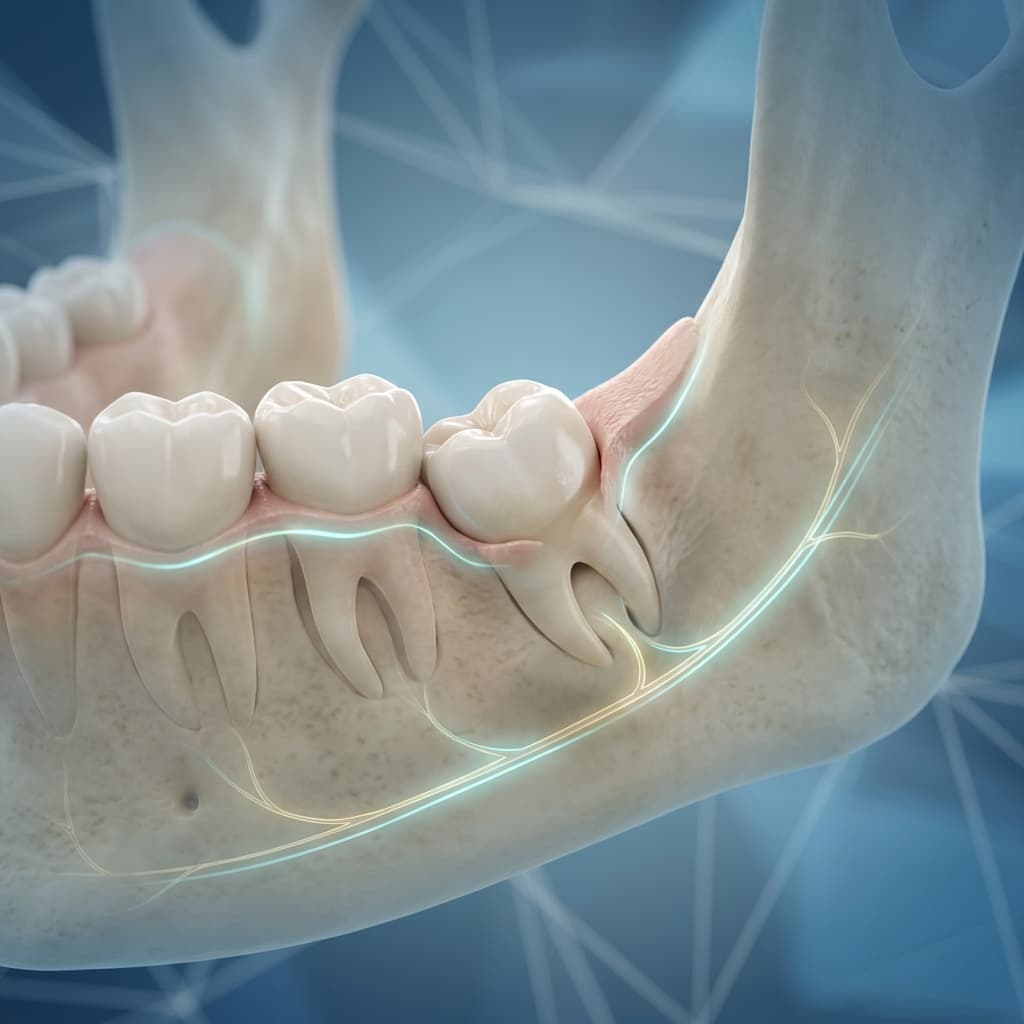
Teeth are made of several protective layers. The outer layer is called enamel, which is the strongest part of the tooth and protects it from damage.
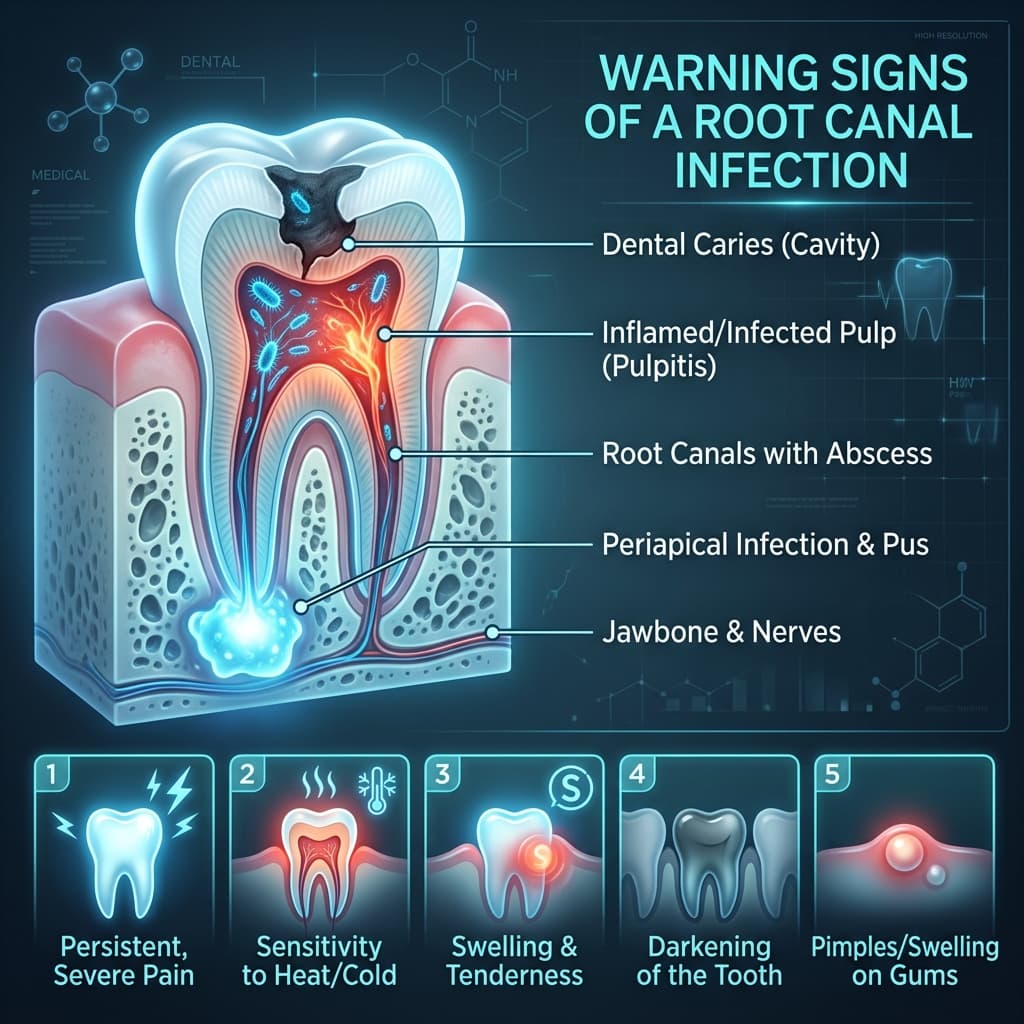
Below the enamel is dentin, a softer layer that contains tiny channels connected to the tooth nerve. When enamel becomes thin or gums recede, dentin becomes exposed.
Once dentin is exposed, hot drinks, cold foods, or sweet items can easily reach the nerve through these small channels. This causes the sharp pain commonly associated with tooth sensitivity. Because dentin is naturally more sensitive than enamel, even small triggers can cause discomfort.
Common Causes of Sensitive Teeth
Tooth sensitivity can occur due to several reasons related to oral habits or dental conditions.
Brushing Too Hard: Using a hard toothbrush or brushing aggressively can slowly wear away enamel and irritate the gums.
Acidic Foods and Drinks: Frequent consumption of soft drinks, citrus fruits, or sports beverages can weaken enamel over time.
Gum Recession: When gums move away from the teeth, the roots become exposed. These root surfaces are more sensitive.
Teeth Grinding: Grinding teeth during sleep can slowly damage enamel and increase sensitivity.
Tooth Decay: Cavities can expose dentin and allow external stimuli to reach the nerve.
Cracked Teeth: Small cracks in teeth can expose inner layers and cause pain during chewing or temperature changes.
Dental Treatments: Some people experience temporary sensitivity after dental procedures such as fillings or teeth whitening.
Symptoms of Tooth Sensitivity
The symptoms of tooth sensitivity are usually triggered by specific situations. Common signs include:
Sharp pain when drinking cold water
Discomfort when eating ice cream or sweets
Sensitivity to hot tea or coffee
Pain when brushing or flossing certain teeth
Sudden pain when breathing in cold air
If these symptoms occur frequently, it is advisable to consult a dentist for evaluation.
How Dentists Diagnose Sensitive Teeth
To determine the cause of tooth sensitivity, dentists perform a detailed examination. During the dental visit, the dentist may:
Check for enamel wear
Examine gum health and recession
Look for cavities or cracks
Review brushing habits
Take digital X-rays to detect hidden dental problems
Once the cause is identified, the dentist can recommend the most suitable treatment.
Professional Treatments for Tooth Sensitivity
Treatment depends on the underlying cause of the problem.
Desensitizing Toothpaste: Special toothpaste can block the pathways that lead to tooth nerves, reducing sensitivity.
Fluoride Treatment: Dentists may apply fluoride to strengthen enamel and protect exposed dentin.
Dental Bonding: If tooth roots are exposed, dentists can apply a protective resin to cover sensitive areas.
Gum Treatment: If gum recession is the cause, periodontal treatment may help improve gum health.
Dental Crowns or Fillings: Damaged teeth may require restorations to protect the tooth structure.
Root Canal Treatment: If sensitivity is caused by severe nerve irritation, root canal treatment may be necessary.
Daily Habits That Help Prevent Sensitivity
Patients can reduce sensitivity by following good oral care practices. Helpful habits include:
Using a soft-bristled toothbrush
Brushing gently instead of scrubbing
Limiting acidic foods and beverages
Using toothpaste designed for sensitive teeth
Visiting the dentist regularly for checkups
These simple steps help protect enamel and maintain healthy gums.
Importance of Regular Dental Checkups
Routine dental visits play a key role in preventing tooth sensitivity. Dentists can detect early signs of enamel wear, gum recession, or cavities before they cause discomfort. Professional cleanings also remove plaque and bacteria that contribute to gum problems. Regular checkups allow dentists to provide preventive treatments and advice tailored to each patient.
When Tooth Sensitivity May Indicate a Bigger Problem
Occasional sensitivity may not be serious, but persistent discomfort should not be ignored. If sensitivity becomes stronger or lasts for several days, it may indicate:
Deep tooth decay
Gum disease
Cracked tooth structure
Nerve infection
Early dental treatment helps prevent these conditions from becoming more serious.
Foods That May Trigger Sensitivity
Certain foods and drinks can make sensitive teeth feel worse. Common triggers include:
Ice-cold drinks
Hot beverages
Sugary snacks
Citrus fruits
Carbonated drinks
Reducing consumption of these foods can help minimize discomfort.
Tooth Sensitivity and Oral Hygiene
Good oral hygiene habits help reduce the risk of sensitivity. Patients should brush twice daily, floss regularly, and avoid aggressive brushing techniques. Maintaining clean teeth and healthy gums protects the enamel and reduces exposure of sensitive areas.
Tooth Sensitivity in Adults and Older Patients
Sensitivity can occur at any age but is more common in adults. As people age, gums may gradually recede, exposing the roots of the teeth. Older adults may also experience enamel wear due to years of chewing and brushing. Regular dental checkups are especially important for monitoring these changes and preventing discomfort.
When You Should Visit a Dentist for Tooth Sensitivity
While mild sensitivity can sometimes improve with better brushing habits or desensitizing toothpaste, ongoing discomfort should not be ignored. You should visit a dentist if:
Sensitivity lasts for several days
Pain increases when eating or drinking
Teeth remain sensitive continuously
Swelling or gum irritation appears
Brushing becomes painful
Early diagnosis allows dentists to treat the problem before it becomes more serious.
Dental Care at Ardent Smiles Dental Clinic
Patients experiencing tooth sensitivity can receive professional care at Ardent Smiles Dental Clinic in Nerul, Navi Mumbai. Led by Dr. Vivek Jaiswar, the clinic provides comprehensive dental care using modern equipment and patient-focused treatment methods. Available services include:
Root canal treatment
Dental implants
Crowns and bridges
Tooth extraction
Cosmetic dentistry
Pediatric dental care
Patients from Nerul, Seawoods, Belapur, Vashi, and nearby areas visit Ardent Smiles for reliable dental treatment and personalized care.
Frequently Asked Questions
Can tooth sensitivity disappear on its own? Mild sensitivity may improve with proper oral care, but persistent sensitivity should be checked by a dentist.
Does sensitivity always mean cavities? No. Sensitivity can also be caused by enamel wear, gum recession, or teeth grinding.
How long does treatment take? Minor cases may improve quickly, while other conditions may require dental procedures.
Can sensitive teeth be prevented? Yes. Gentle brushing, reducing acidic foods, and regular dental checkups help protect teeth.
Conclusion
Tooth sensitivity is a common dental concern that can affect everyday comfort. It usually occurs when enamel becomes worn down or when gums recede, exposing the sensitive layers of the tooth.
By maintaining proper oral hygiene, limiting acidic foods, and visiting the dentist regularly, patients can reduce sensitivity and protect their teeth from further damage. If tooth sensitivity continues or becomes painful, consulting a dental professional can help restore comfort and maintain long-term oral health.
At Ardent Smiles Dental Clinic in Nerul, patients receive expert dental care designed to keep their smiles healthy and pain-free.