Introduction
Tooth pain can begin as a small discomfort but quickly become a serious dental issue if ignored. Many people try to tolerate the pain or delay visiting a dentist, hoping it will go away on its own. However, persistent tooth pain often indicates an infection deep inside the tooth that requires professional treatment.
One of the most effective ways to treat severe tooth infections is Root Canal Treatment (RCT). Recognizing the warning signs early can help prevent serious complications such as abscesses, bone loss, or tooth extraction. Early diagnosis at Ardent Smiles in Nerul can save your natural tooth and relieve discomfort before the infection worsens.
What Is Root Canal Treatment?
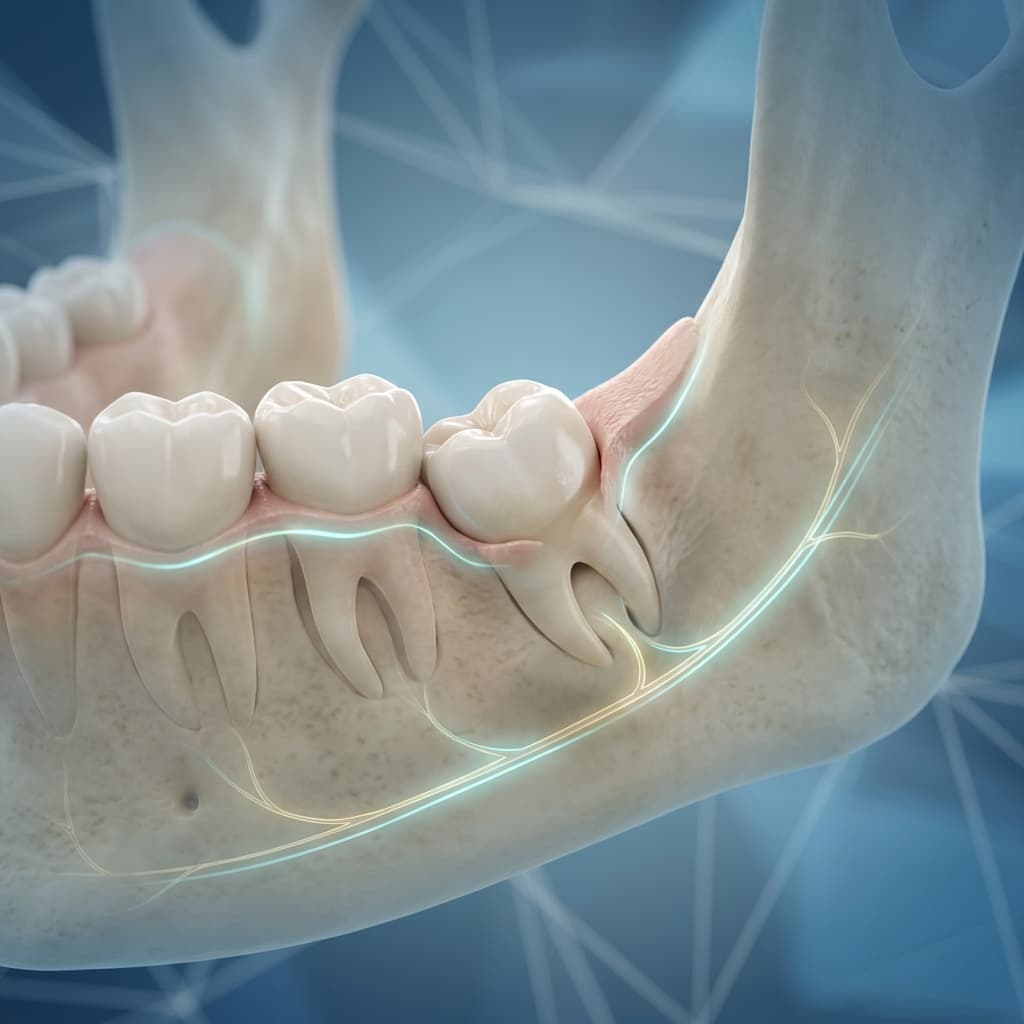
Root Canal Treatment is a dental procedure used to remove infection from inside a tooth. The infection occurs in the dental pulp, the soft inner tissue that contains nerves and blood vessels. When bacteria enter this area due to deep decay, cracks, or injury, the pulp becomes inflamed and eventually dies.
During the procedure, the dentist removes the infected pulp, cleans and disinfects the canal, and seals it to prevent reinfection. Finally, the tooth is restored with a filling or crown. Modern technology has made this process safe, comfortable, and highly successful, often completed in just one or two visits.
Cavity vs. Root Canal Infection: What's the Difference?
Patients often wonder if their tooth pain requires a simple filling or a full root canal. The difference lies in the depth of the decay.
A cavity only affects the outer layers of the tooth—the hard enamel and the underlying dentin. At this stage, the dentist can drill away the decay and place a filling. However, if that cavity is left untreated, the bacteria will continue to eat through the tooth until they reach the inner pulp chamber. Once the nerve is infected, a simple filling is no longer enough, and a root canal becomes mandatory to save the tooth.
Common Causes of Tooth Infections
Deep Tooth Decay: Untreated cavities allow bacteria to penetrate the pulp.
Cracked or Chipped Teeth: Openings that allow bacterial entry into inner tissues.
Repeated Dental Procedures: Weakened tooth structure from multiple past treatments on the same tooth.
Tooth Injury or Trauma: Impact that damages the nerve even without visible cracks, common in sports injuries.
7 Warning Signs You Might Need a Root Canal
Persistent Tooth Pain: Constant discomfort that may radiate to the jaw, ear, or neck. It often keeps you awake at night.
Sensitivity to Hot or Cold: Lingering sharp pain long after the temperature stimulus is gone. For example, pain that lasts 30 seconds or more after drinking cold water.
Swollen or Tender Gums: Red, puffy, or tender gums isolated around a specific tooth.
Tooth Discoloration: A tooth turning gray, dark yellow, or brown due to internal nerve damage and restricted blood flow.
Pain While Chewing: Sharp pressure or pain when biting down on food, indicating the ligament around the root is inflamed.
Gum Abscess or Pimple: A small, recurring bump on the gums (a fistula) that may ooze pus and cause a foul taste in your mouth.
Intermittent Severe Pain: A toothache that suddenly appears and disappears but keeps returning with greater intensity.
How to Manage Tooth Pain Before Your Appointment
If you are experiencing severe symptoms in the middle of the night or over the weekend, you need temporary relief until you can visit Ardent Smiles. While these home remedies won't cure the infection, they can make the pain manageable:
Over-the-Counter Pain Relievers: Medications like Ibuprofen or Acetaminophen can help reduce inflammation and dull the pain.
Cold Compress: Apply an ice pack wrapped in a towel to the outside of your cheek for 15 minutes at a time to reduce facial swelling.
Warm Salt Water Rinse: Swishing warm salt water can gently clean the area, draw out some fluids, and soothe tender gums.
Keep Your Head Elevated: Prop your head up with extra pillows when sleeping to prevent blood from pooling in your head, which increases pressure and throbbing.
Avoid Trigger Foods: Steer clear of extremely hot, cold, sweet, or hard foods that can aggravate the sensitive nerve.
What Happens If You Ignore Symptoms?
Ignoring the symptoms of a tooth infection can lead to a severe dental abscess, facial swelling, and irreversible bone loss around the root. Eventually, the tooth will become too compromised to save and will require extraction. In rare but severe cases, untreated dental infections can spread to the jawbone, sinuses, or even the bloodstream (sepsis), posing a serious threat to your overall systemic health.
Root Canal vs. Tooth Extraction: Which is Better?
When faced with agonizing tooth pain, some patients ask if it would be easier and cheaper to just pull the tooth. While extraction is sometimes unavoidable if the tooth is severely fractured below the gum line, a root canal is almost always the preferred choice.
Extracting a tooth leaves a gap in your smile, causing neighboring teeth to shift out of alignment. This leads to bite problems, chewing difficulties, and deterioration of the jawbone. To fix these issues, you would eventually need a dental implant or a dental bridge, which are far more invasive, time-consuming, and expensive than a single root canal treatment. Saving your natural tooth is always the most cost-effective and biologically sound option.
Step-by-Step Root Canal Procedure
Examination: Using digital X-rays to map the root structure and determine the severity of infection.
Anesthesia: Administering local anesthesia to numb the area, ensuring a completely pain-free experience.
Pulp Removal: Creating a tiny opening in the crown of the tooth to access and carefully remove the infected pulp.
Cleaning & Shaping: Using specialized micro-instruments to clean, disinfect, and shape the inner canals.
Sealing: Filling the empty canals with a biocompatible, rubber-like material called gutta-percha to prevent reinfection.
Restoration: Placing a custom dental crown over the tooth to restore its structural integrity and bite function.
What to Eat After a Root Canal (Diet Guide)
While your mouth is healing and before your permanent crown is placed, it is crucial to protect the treated tooth. Your jaw might also be slightly sore from keeping your mouth open during the procedure.
Safe Soft Foods: Yogurt, scrambled eggs, mashed potatoes, applesauce, smoothies, and lukewarm soups.
Foods to Avoid: Hard nuts, sticky caramels, chewy bread, ice cubes, and extremely hot beverages.
Chewing Habits: Try to chew on the opposite side of your mouth until the final permanent crown is cemented in place.
Recovery and Long-Term Success
Most patients recover quickly and can return to work or school the very next day. While mild tenderness when biting is normal for a few days, it is easily managed with over-the-counter pain medication. A properly treated root canal and crown restoration can last a lifetime if you maintain good oral hygiene, attend regular dental check-ups, and avoid chewing on excessively hard items like ice or hard candies.
Prevention Tips
Brush twice daily with fluoride toothpaste and floss to prevent decay from forming between teeth.
Visit Ardent Smiles every 6 months for routine cleanings and professional exams.
Reduce your intake of highly acidic and sugary foods to protect your tooth enamel.
Wear a custom mouthguard during contact sports or if you grind your teeth at night (bruxism).
Treat small cavities immediately before the decay has a chance to reach the sensitive pulp.
Expert Dental Care with Dr. Vivek Jaiswar at Ardent Smiles
At Ardent Smiles Dental Clinic in Nerul, Navi Mumbai, we specialize in advanced, patient-friendly root canal therapy. Led by Dr. Vivek Jaiswar, our clinic utilizes state-of-the-art diagnostic tools, including low-radiation digital X-rays and precision endodontic instruments, to ensure the highest success rates.
Frequently Asked Questions
How do I know if I need a root canal? Persistent tooth pain, prolonged sensitivity to hot or cold, swollen gums, and tooth discoloration are common symptoms.
Is root canal treatment painful? No. Modern dental technology and anesthesia make root canal treatment comfortable. The procedure actually relieves the pain caused by infection.
How long does a root canal procedure take? Most treatments take about 60-90 minutes and may require one or two visits.
Do I always need a crown after a root canal? In many cases, a crown is recommended to protect the treated tooth from fracture.
Can antibiotics cure a tooth infection? Antibiotics may temporarily reduce infection but cannot remove infected pulp inside the tooth.
Can a root canal fail? Although uncommon, reinfection can occur if the tooth is not properly restored or if new decay develops.
Conclusion
Tooth pain should never be ignored. Symptoms such as persistent pain, swelling, sensitivity, or discoloration may indicate a serious infection inside the tooth. Root canal treatment is a safe and effective way to eliminate infection while preserving your natural tooth.
If you notice any warning signs, seeking prompt dental care can prevent complications and help maintain your oral health. Early treatment can save your tooth, relieve pain, and restore your smile.