Introduction
Tooth extraction is the removal of a tooth from its socket in the jawbone. Dentists recommend this procedure when a tooth is severely damaged, infected, or causing complications that cannot be treated with other dental procedures.
While treatments like fillings, crowns, or root canal therapy can save many teeth, extraction may be necessary if the tooth is beyond repair or threatens surrounding oral structures. Although losing a tooth may seem concerning, dentists often recommend replacement options such as dental implants, bridges, or dentures to restore function and appearance.
Severe tooth decay
Advanced gum disease
Impacted wisdom teeth
Broken or fractured teeth
Overcrowding before orthodontic treatment
Severe tooth infection
Types of Tooth Extraction
There are two main types of tooth extraction procedures performed in dentistry:
Simple Tooth Extraction
Simple tooth extraction is performed when the tooth is visible above the gum line and can be removed easily using dental instruments. During the procedure, the dentist loosens the tooth using specialized instruments and gently removes it from the socket. Simple extractions are usually quick and performed using local anesthesia, ensuring the patient feels comfortable throughout the procedure. This type of extraction is typically recommended for:
Loose teeth
Severely decayed teeth
Teeth damaged beyond repair
Baby teeth that fail to fall out naturally
Surgical Tooth Extraction
Surgical tooth extraction is required when a tooth cannot be easily accessed or removed. In surgical extraction, the dentist or oral surgeon may need to make a small incision in the gum to access the tooth. In some cases, the tooth may be divided into smaller sections to remove it safely. Although surgical extraction sounds more complex, modern dental techniques make the procedure safe and manageable. This procedure may be necessary if:
The tooth is broken below the gum line
The tooth has not fully erupted
Wisdom teeth are impacted
The roots are curved or deeply embedded
When Is Tooth Extraction Necessary?
Dentists prefer to preserve natural teeth whenever possible. However, extraction becomes necessary in certain situations:
Severe Tooth Decay: When decay spreads deep into the tooth and damages its structure beyond repair, extraction may be the only option.
Advanced Gum Disease: Periodontal disease can weaken the bone and tissues that support the teeth. In severe cases, removing the tooth may prevent further complications.
Impacted Wisdom Teeth: Wisdom teeth often lack enough space to emerge properly, leading to pain, infection, or damage to nearby teeth.
Overcrowded Teeth: Orthodontic treatments sometimes require tooth extraction to create space for proper alignment.
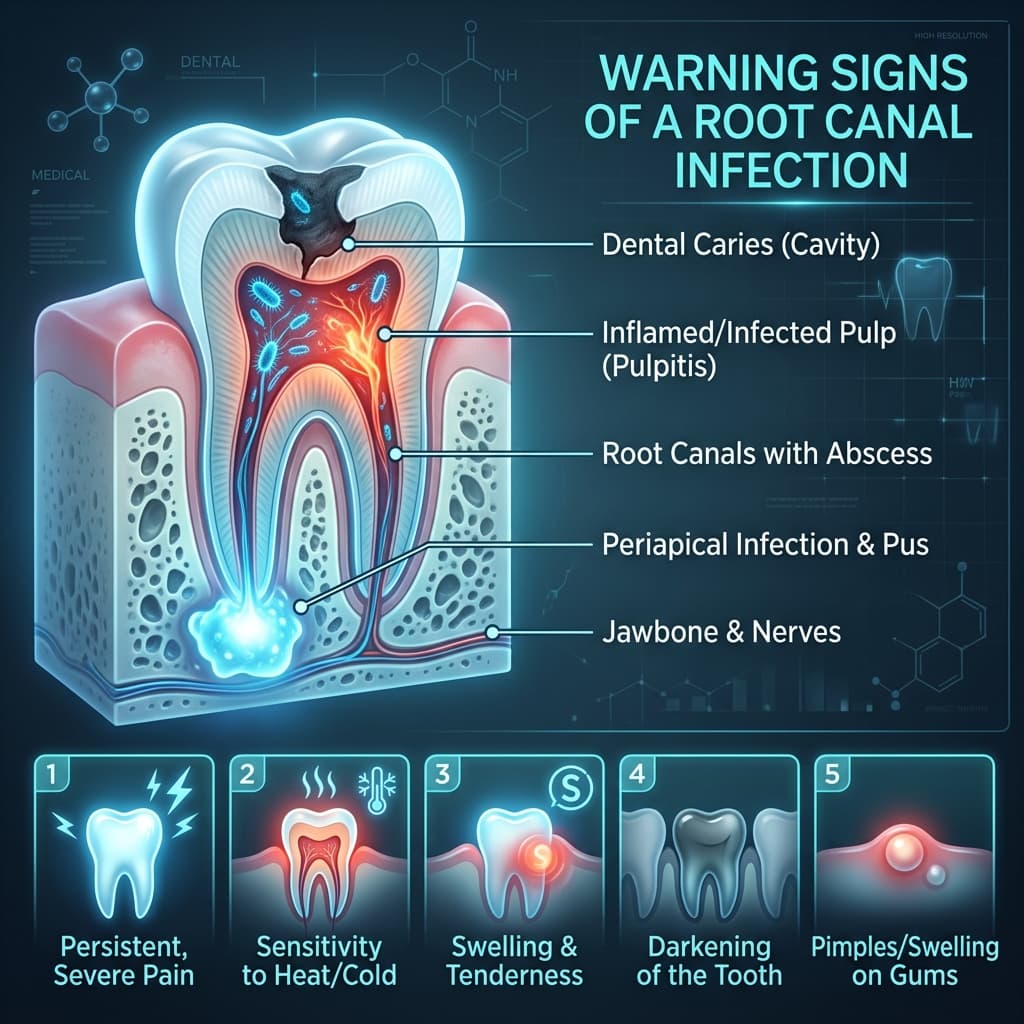
Severe Infection: When infection spreads beyond the tooth and cannot be controlled through root canal therapy, extraction may be necessary.
Signs You Might Need a Tooth Extraction
Some dental symptoms indicate that a tooth may need to be removed. If you experience any of these symptoms, visiting a dentist promptly can help prevent further complications. Common warning signs include:
Severe tooth pain
Swelling around the gums
Difficulty chewing
Loose teeth
Persistent infection
Damage or fracture below the gum line
Step-by-Step Tooth Extraction Procedure
Understanding the process can help reduce anxiety for patients undergoing tooth extraction.
1. Dental Examination: The dentist examines the tooth and may take digital X-rays to evaluate the tooth roots and surrounding bone.
2. Local Anesthesia: The area around the tooth is numbed using local anesthesia to ensure a painless procedure.
3. Tooth Removal: Depending on the case, the dentist performs either a simple or surgical extraction. For simple extraction, the tooth is loosened and gently removed. For surgical extraction, a small incision may be made to access the tooth.
4. Cleaning the Extraction Site: The socket is cleaned thoroughly to remove any infected tissue or debris.
5. Stitches if Required: In surgical extractions, stitches may be used to help the gums heal properly.
6. Gauze Placement: A piece of gauze is placed over the extraction site to control bleeding and encourage clot formation.
Recovery After Tooth Extraction
Healing usually takes a few days to a week depending on the complexity of the procedure. Patients may experience mild swelling, slight bleeding, or temporary discomfort. These symptoms are normal and typically improve within a few days. Dentists recommend the following aftercare tips:
Bite gently on gauze to control bleeding
Avoid drinking through straws
Do not smoke for at least 48 hours
Eat soft foods such as yogurt or soup
Maintain gentle oral hygiene
Following these instructions helps prevent complications such as dry socket, a painful condition where the blood clot dislodges from the socket.
Tooth Replacement Options After Extraction
Replacing a missing tooth is important for maintaining oral health and proper bite alignment. Your dentist can recommend the most suitable option depending on your oral health and treatment goals. Common tooth replacement options include:
Dental Implants: A permanent solution that replaces both the root and crown of the missing tooth.
Dental Bridges: A dental bridge fills the gap by anchoring an artificial tooth to adjacent teeth.
Dentures: Removable appliances used to replace multiple missing teeth.
How to Prevent Tooth Extraction
Preventing severe dental problems can reduce the need for tooth extraction. Maintaining good oral hygiene significantly lowers the risk of tooth decay and gum disease. Here are some important preventive measures:
Brush your teeth twice daily
Floss regularly
Visit the dentist every six months
Avoid excessive sugary foods
Wear a mouthguard during sports
Treat cavities early
If you are experiencing severe tooth pain or dental complications, professional care is essential. At Ardent Smiles Dental Clinic in Nerul, Navi Mumbai, patients receive high-quality dental care in a comfortable and modern environment. The clinic offers a wide range of dental treatments including root canal therapy, tooth extractions, implants, crowns, and cosmetic dentistry.
Under the guidance of Dr. Vivek Jaiswar, an experienced dental professional, patients receive personalized treatment plans designed to ensure safe, gentle, and effective dental procedures. The clinic uses advanced dental technology and modern techniques to make tooth extraction procedures as comfortable and stress-free as possible.
Frequently Asked Questions
Is tooth extraction painful? No. Local anesthesia ensures that the procedure is painless. Patients may feel mild pressure but not pain.
How long does a tooth extraction take? Simple extractions usually take 20-30 minutes, while surgical extractions may take slightly longer.
How long does it take to heal after extraction? Most patients recover within 3-7 days, although full healing may take a few weeks.
Can I eat after tooth extraction? Yes, but it is recommended to eat soft foods such as yogurt, soup, or mashed potatoes during the first few days.
What is dry socket? Dry socket occurs when the blood clot protecting the extraction site becomes dislodged, exposing the bone and causing pain.
When should I replace a missing tooth? It is best to replace a missing tooth as soon as possible to prevent shifting of nearby teeth and jawbone loss.
Conclusion
Tooth extraction is a common and safe dental procedure used to protect oral health when a tooth cannot be saved. Understanding the difference between simple and surgical extraction helps patients feel more informed and confident about their treatment.
With modern dental techniques and proper aftercare, most patients recover quickly and return to normal activities within a few days. If you are experiencing severe tooth pain or dental infection, visiting a trusted dental clinic can help determine the best treatment option for your oral health.