Introduction
Wisdom tooth pain is a common dental problem experienced by many people during their late teens or early adulthood. Wisdom teeth are the last molars that usually appear at the back of the mouth, typically between the ages of 17 and 25. While some individuals have enough space in their jaw for these teeth to grow normally, others may experience pain, swelling, or infection when wisdom teeth become impacted.
When wisdom teeth grow at the wrong angle or remain trapped under the gums, dentists often recommend wisdom tooth removal to prevent serious oral health complications.
At Ardent Smiles Dental Clinic in Nerul, Navi Mumbai, wisdom tooth removal procedures are performed using advanced dental technology and modern techniques to ensure safe, comfortable, and effective treatment. Under the expert care of Dr. Vivek Jaiswar, patients receive personalized treatment plans that focus on both comfort and long-term oral health. Understanding the warning signs, treatment process, and recovery tips can help patients feel more prepared and confident before undergoing wisdom tooth removal.
What Are Wisdom Teeth?
Wisdom teeth are the third molars located at the very back of the mouth. Most people develop four wisdom teeth—two in the upper jaw and two in the lower jaw. These teeth were useful for early humans who needed extra chewing power for tough foods. However, modern diets and smaller jaw sizes mean that many people no longer have enough space for wisdom teeth to grow properly.
When wisdom teeth cannot grow properly, removing them is often the safest solution to protect surrounding teeth and gums. As a result of lack of space, wisdom teeth may:
Grow at an angle toward nearby teeth
Remain partially trapped under the gums
Become completely impacted inside the jaw
Cause swelling, infection, or discomfort
Signs You May Need Wisdom Tooth Removal
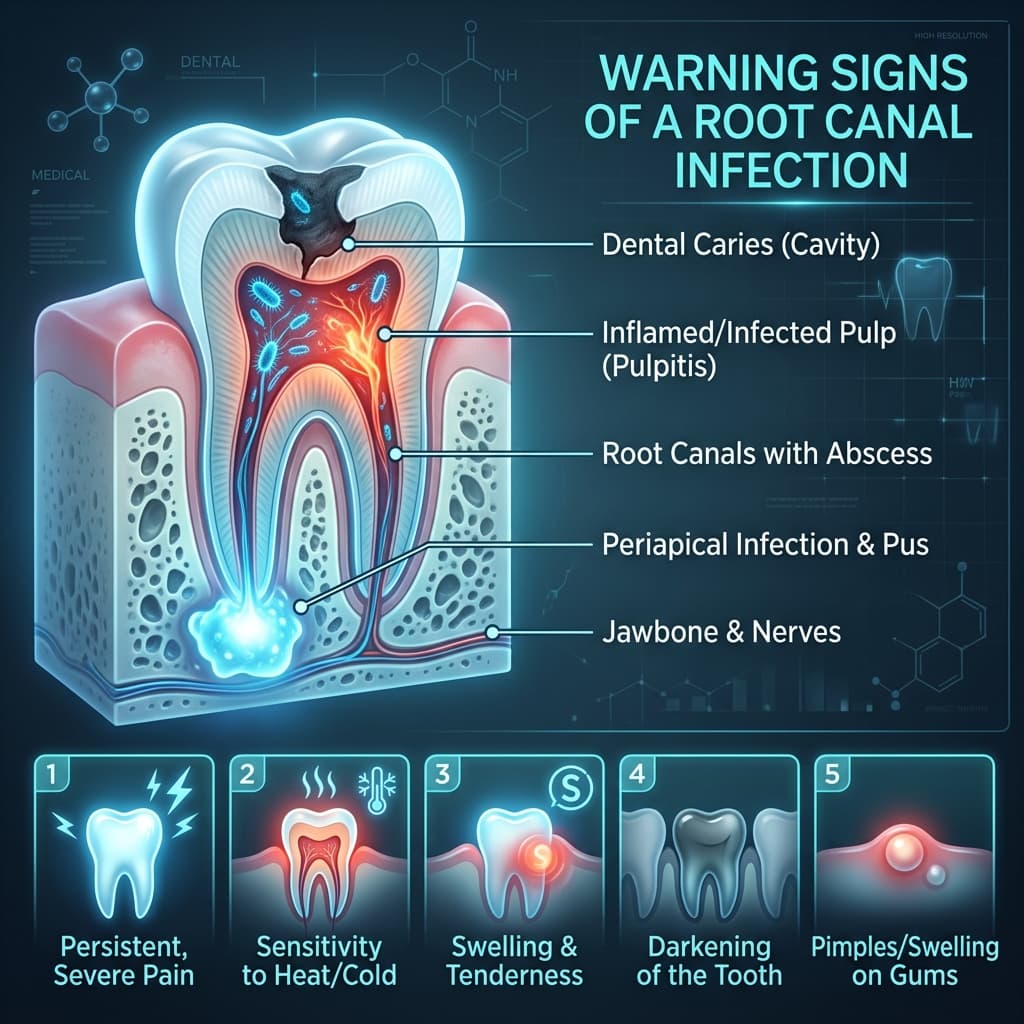
Wisdom teeth problems often start with mild discomfort but may worsen over time. Recognizing the symptoms early can help prevent serious complications. If you experience these symptoms, visiting a dentist for evaluation is important:
Persistent Pain at the Back of the Mouth: Pain near the back molars is one of the most common signs of impacted wisdom teeth. The pain may increase when chewing or opening the mouth.
Swollen or Red Gums: Inflamed gums around the wisdom tooth area can indicate infection or irritation caused by partially erupted teeth.
Difficulty Opening the Mouth: Jaw stiffness and difficulty opening the mouth can occur when swelling develops around the wisdom tooth.
Bad Breath or Unpleasant Taste: Bacteria and food particles can get trapped around partially erupted wisdom teeth, leading to bad breath or a persistent bad taste in the mouth.
Headaches or Ear Pain: Impacted wisdom teeth can create pressure that radiates to the jaw, ear, or head.
Why Wisdom Tooth Removal Is Recommended
Dentists often recommend removing wisdom teeth when they pose a risk to oral health. Removing problematic wisdom teeth helps prevent complications and protects long-term oral health by addressing:
Impacted Wisdom Teeth: They remain trapped under the gums or bone and may grow sideways, causing pain and infection.
Risk of Infection: Partially erupted wisdom teeth create spaces where bacteria accumulate, increasing the risk of gum infection.
Damage to Nearby Teeth: Wisdom teeth can push against adjacent molars, leading to crowding or damage.
Gum Disease: Inflammation around impacted wisdom teeth can contribute to periodontal disease.
Tooth Decay: Because wisdom teeth are difficult to clean, they are more prone to cavities.
Wisdom Tooth Removal Treatment Process
Many patients feel nervous about wisdom tooth surgery. However, the procedure is routine and performed safely by experienced dental professionals. The procedure typically takes 30 to 60 minutes, depending on the complexity of the case.
Step 1: Dental Examination - The dentist evaluates the wisdom teeth and takes digital X-rays to understand their position and condition.
Step 2: Anesthesia - Local anesthesia is administered to numb the treatment area and ensure the procedure is painless.
Step 3: Accessing the Tooth - If the tooth is impacted, a small incision may be made in the gum to access the tooth.
Step 4: Tooth Removal - In some cases, the tooth may be divided into smaller pieces to make removal easier and safer.
Step 5: Cleaning the Area - The extraction site is cleaned to remove debris or infected tissue.
Step 6: Stitches and Gauze - Stitches may be placed to support healing, and gauze is used to control bleeding.
Recovery After Wisdom Tooth Removal
Most patients recover quickly after wisdom tooth removal. These symptoms usually improve within a few days as the gums heal. Common temporary symptoms include:
Mild swelling
Slight bleeding
Jaw stiffness
Minor discomfort
Dentists usually recommend the following recovery tips for a smooth healing process:
Apply an ice pack to reduce swelling
Eat soft foods such as yogurt, soup, or mashed potatoes
Avoid hot drinks during the first 24 hours
Do not smoke or drink using a straw
Maintain gentle oral hygiene
Possible Complications After Wisdom Tooth Removal
Although wisdom tooth removal is safe, prompt dental care can help resolve any issues quickly. One possible complication is dry socket, which occurs when the protective blood clot becomes dislodged from the extraction site. Patients should contact their dentist if they experience:
Severe pain after several days
Persistent bleeding
Fever or swelling
Difficulty swallowing or breathing
How to Prevent Wisdom Tooth Problems
While wisdom teeth cannot always be prevented, regular dental care helps detect problems early. Early evaluation allows dentists to recommend treatment before complications occur. Preventive measures include:
Visiting the dentist for regular checkups
Maintaining good oral hygiene
Taking dental X-rays when recommended
Monitoring wisdom tooth growth during teenage years
If you are experiencing wisdom tooth pain or swelling, visiting a qualified dentist is important. At Ardent Smiles Dental Clinic in Nerul, Navi Mumbai, patients receive advanced dental care using modern equipment and patient-friendly techniques.
Led by Dr. Vivek Jaiswar, the clinic provides comprehensive dental services including:
Wisdom tooth removal
Root canal treatment
Dental implants
Crowns and bridges
Cosmetic dentistry
Emergency dental care
The clinic focuses on providing safe, comfortable, and effective dental treatments tailored to each patient's needs.
Frequently Asked Questions
When should wisdom teeth be removed? Wisdom teeth should be removed if they cause pain, infection, crowding, or damage to nearby teeth.
Is wisdom tooth removal painful? The procedure is performed under anesthesia, so patients do not feel pain during treatment.
How long does recovery take? Most patients recover within 3 to 5 days, although complete healing may take a few weeks.
Can I eat after wisdom tooth removal? Yes, but soft foods such as yogurt, soup, and smoothies are recommended during the first few days.
Will all wisdom teeth need removal? Not always. If wisdom teeth grow properly and do not cause problems, removal may not be necessary.
How long does the surgery take? Wisdom tooth removal usually takes 30-60 minutes, depending on the complexity.
Conclusion
Wisdom tooth pain can significantly affect daily comfort and oral health. When wisdom teeth grow improperly or become impacted, removing them can prevent infection, damage to surrounding teeth, and long-term complications.
With modern dental technology and expert care, wisdom tooth removal is a safe and routine procedure followed by a smooth recovery. If you experience symptoms such as pain, swelling, or difficulty chewing, visiting a dentist can help determine whether wisdom tooth removal is necessary to protect your oral health.